Mold After a Roof Leak in Wilmette, IL
Mold removed from ceilings and attic wood, with damaged insulation cleared after a roof leak in your Wilmette property. Call 24/7 to start your moisture assessment and cleanup.
- Leak source checked first
- Ceiling and attic containment
- Clear cleanup and drying scope
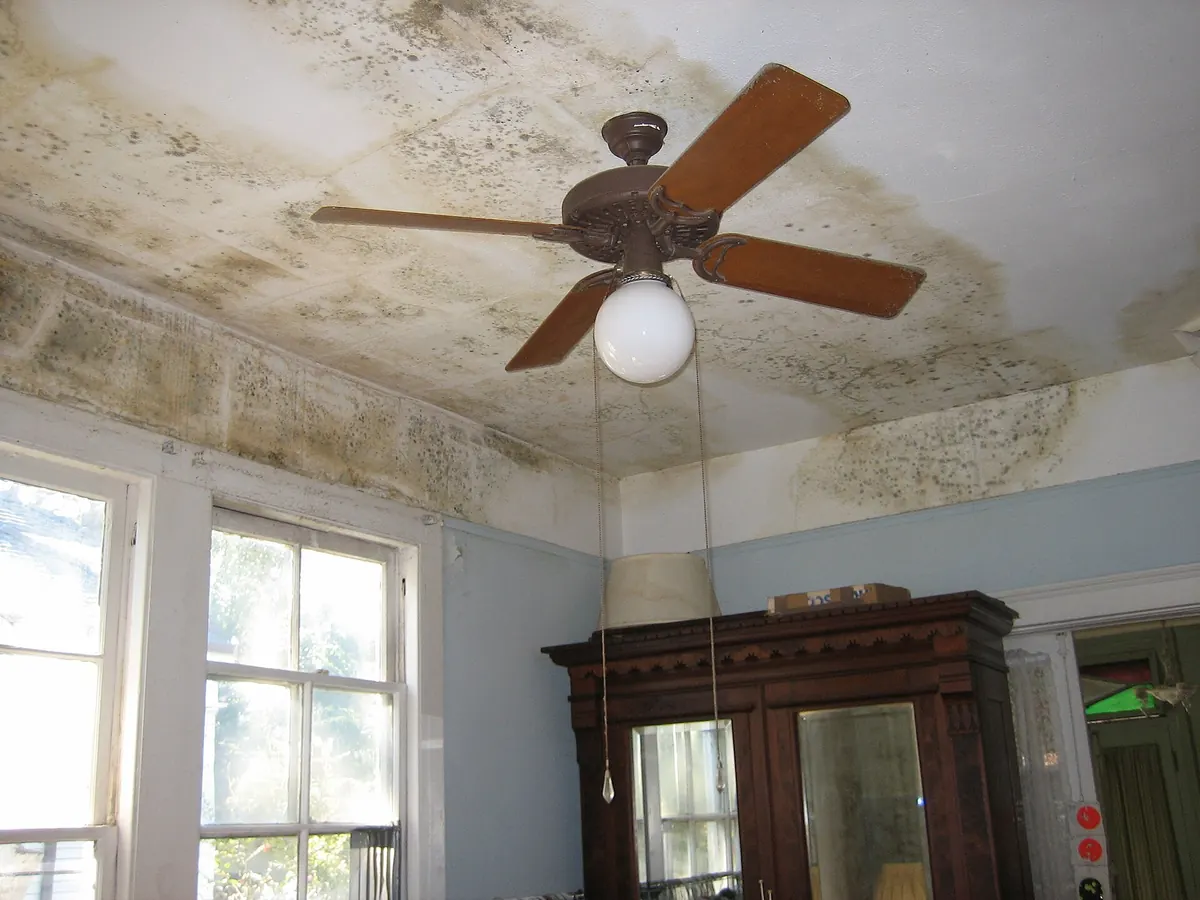
Services for Mold Following a Roof Leak in Wilmette
Your water path guides cleanup through rafters and ceiling drywall, along with roof sheathing and insulation. Materials along that path are evaluated for cleaning or removal.
Water is traced along your framing into roof bays and ceiling cavities that can be accessed, past the mold you can see.
Cleaning and drying retain sound wood; damaged porous materials come out. In your written scope, remediation is distinct from rebuilding and roof repair work on deteriorated roof decking, shingles and flashing.
- Ceiling and attic moisture assessment
- Removal of wet insulation plus damaged drywall removal
- Sound rafter and sheathing cleaning
- Protected debris routes and HEPA filtration
- Drying and final condition checks
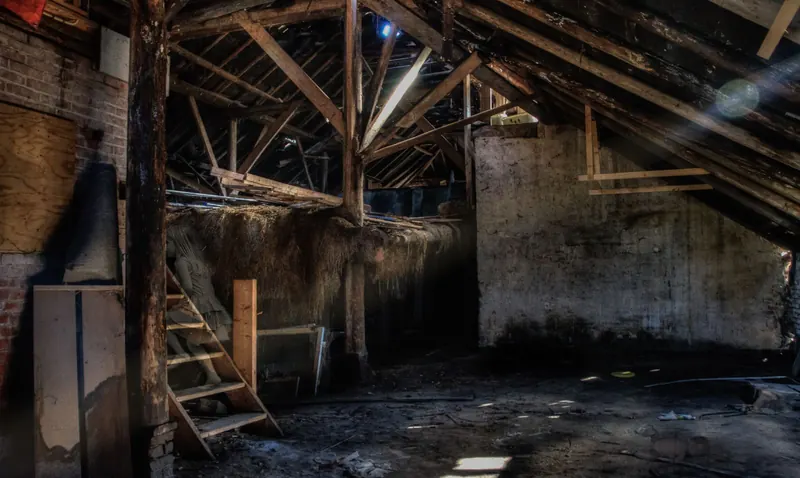
Roof Leak Mold Cleanup in Cook County: Signs to Recognize
Look for damage along your roof's leak path when stains return, growth appears or insulation is wet.
Wet Insulation Above Your Ceiling
Beneath your leaking roof, insulation remains damp or appears flattened.
Mold on Bathroom Ceiling Surfaces
Spots change after rain; shower humidity may also contribute to dampness.
Musty Odor After Rain
You may notice a persistent smell beside your attic hatch when wet materials are hidden nearby.
Attic Mold Under a Gap in the Roof
Growth appears on sheathing or rafters near a vent or chimney.
Water Stains Return After Rain
After rain, your ceiling stain becomes darker and paint bubbles or drywall softens.
How Roof Leak Mold Remediation Works in Wilmette
Your cleanup ends with drying and final checks.
Ceiling and Attic Mold Assessment
A moisture meter maps damp framing, insulation and ceiling surfaces. Mold cannot be identified by a thermal imaging camera, which helps find temperature variations.
Leak Source and Cleanup Scope
Removal boundaries, along with separate roof leak repair, are determined by where water travels. Water must be kept out before drying begins and replacement materials are enclosed.
Ceiling Mold Containment
A containment barrier plus poly sheeting isolates the area where work occurs. Negative air pressure, protective equipment and a HEPA air scrubber help keep particles from spreading.
Damaged Drywall and Insulation Removal
Moldy insulation is bagged along with damaged ceiling drywall within the contained area. Spread within your home is limited by protecting the debris path.
Retained Wood and Surface Cleaning
Sound rafters and sheathing receive HEPA vacuum cleaning and surface cleaning. Non-porous surfaces are cleaned; antimicrobial treatment does not replace growth removal.
Structural Drying
Following cleaning and removal, controlled air movers and a dehumidifier help the drying process. Moisture readings track progress in wood and cavities.
Post-Remediation Verification
Checks of moisture and appearance help assess completion. Before containment removal, an independent assessor conducts clearance testing if specified.
Containment Removal and Rebuilding Readiness
Containment is taken down following final checks. Replacement insulation and ceiling finishes follow the separate rebuilding scope once the leak and dampness are corrected.
Reasons to Choose Chicago Mold Removal Services for Mold Following a Roof Leak
Removal Through Final Checks
Removal, cleaning and drying finish with verification before containment comes down.
Clear Mold Cleanup Scope
Before work begins, removal limits and separate roof repairs are established.
Calls Answered 24/7
Day or night, you can start attic and ceiling cleanup throughout the metro by calling one number.
Roof Moisture First
Your assessment follows the leak path beyond the visible stain.
Contained Ceiling and Attic Work
During overhead work, protected access routes work with HEPA filtration to contain particle spread.
Preparing for Ceiling Leak Mold Cleanup in Cook County
Leave damaged material alone and call 24/7.
- Stay clear of sagging ceilings. Damaged drywall and wet fixtures should remain off-limits to people and pets.
- Leave attic material in place. Leave insulation in place and avoid scraping growth.
- Avoid roof access. Wet roofs and damaged decking need professional assessment.
- Keep suspect HVAC off. Do not operate equipment you suspect is mold-contaminated; EPA warns that operation can spread mold.
- Address fresh water damage promptly. To prevent mold growth, EPA recommends that you dry water-damaged items and areas within 24 to 48 hours.
Roof Leak Mold Remediation Cost in Wilmette, IL
What materials are affected and how they can be reached determine your price. The listed ranges price separate tasks, not a combined quote.
Roof Leaks and Attic Mold (Angi, 2025)
$1,000 to $4,000 per jobSource: PushLeads, Attic Mold Removal Cost (cites BUK Restoration and Angi) (checked 2026-10-23)Roof Leak Repair Corrects the Cause, Leaving Mold Cleanup Separate
$400 to $2,500 per repairSource: Fixr, Mold Remediation Cost (checked 2026-10-23)If Old Insulation Comes Out, New Insulation Goes In
Each square foot costs $1 to $7Source: PushLeads, Attic Mold Removal Cost (cites BUK Restoration and Angi) (checked 2026-10-23)Factors Affecting Roof Leak Mold Cost in Wilmette
- Affected area and material condition
- Containment and drying needs
- Attic access and debris route
- Independent assessment when specified
- Roof repair and interior rebuilding
Your Price for Attic and Ceiling Cleanup
These published national ranges are planning figures. Your on-site assessment defines the work and price before cleanup starts, including any separate source repairs or rebuilding.
Call (844) 352-3560 about costMold After a Roof Leak Service Area Across Chicagoland
Call (844) 352-3560 to arrange cleanup in Wilmette or nearby communities. One number covers the metro.
Mold After a Roof Leak in Locations Near Wilmette
ZIP codes
Frequently Asked Questions About Mold After a Roof Leak in Wilmette
Can you remain in your home through ceiling leak mold cleanup?
You may remain at home provided the rooms in use stay separated from the work zone. Your debris route, overhead removal work and shared ventilation influence where access is restricted. Arrangements depend on your home layout and household needs; certain jobs mean staying somewhere else temporarily.
Which factors change roof leak mold remediation cost in Cook County?
The affected area, amount of insulation, wood condition and access to the ceiling determine your cost. Attic cleanup is separated from roof repair and insulation replacement in the published cards shown above. Your ceiling rebuild gets its own assessment. Your scope defines the price and the work ahead of removal.
Is mold testing needed before or after cleanup?
When visible mold is present, EPA guidance often does not call for air sampling. Your cleanup boundaries are set through inspection and moisture readings. After cleaning and drying, completion is assessed through moisture checks and visual examination. Before containment removal, an independent assessor conducts clearance testing if specified.
Is the leaking roof repaired as part of mold cleanup?
Your scope must list roof repair for the separate repair work to be included. A roofing contractor assesses shingles, flashing and decking while the indoor assessment defines remediation. Water entry needs correction before cleaned cavities are enclosed with new insulation, drywall or paint.
How long can roof leak mold cleanup in Wilmette take?
Ceiling access, the amount removed and measured progress in drying determine your schedule. Restricted attic headroom adds work. Weather, roof repair and the agreed final checks determine when you can install replacement insulation and ceiling finishes. How a surface looks cannot by itself prove materials are dry.
Does mold on ceiling from roof leak damage require removal?
Reaching affected framing and insulation may require removing moldy ceiling drywall. You can often clean and dry roof sheathing and rafters that remain sound. A stain cannot by itself reveal conditions within the cavity. Your scope separates cleaning from roof repairs and establishes the limits of removal.
Could mold return once your attic and ceiling have been cleaned?
An ongoing moisture source or a roof that still lets water in can allow mold to return. Your assessment traces the leak path before cleaning. Along with correcting the leak, sound wood gets cleaned and dried. Replacement insulation and ceiling finishes follow drying and verification.
Insurance and Roof Leak Mold in Illinois
Coverage under homeowners insurance turns on why your roof leaked, deductible, exclusions and limits for mold. Roof repairs, storm damage and cleanup can each receive a different decision.
Chicagoland Safety Considerations for Roof Leak Mold
Containment restricts particle movement as damaged material above you is removed.
Overhead Removal
Wet drywall and insulation affect access and debris control below the work area.
Mold and Sensitive Occupants
CDC says mold can trigger allergy and asthma symptoms in some people.
Damaged Roof Support
Cleaning cannot restore decking or framing that has weakened; structural damage requires a repair assessment.
Hidden Ceiling Mold
A visible patch does not necessarily reveal how far growth reaches into the cavity.
Cleanup scope: EPA says areas under about 10 square feet can often be cleaned by the homeowner. Larger areas, HVAC systems or mold from contaminated water call for professional help; ceiling access hazards also matter.
Materials Cleaned or Removed for Roof Leak Mold in Cook County
Your materials' condition guides cleaning or replacement.
Sound attic wood
- Cleaning and drying are used for roof sheathing and rafters when their condition permits.
Damaged porous materials
- Moldy drywall, ceiling tiles or insulation may require removal, whereas damaged decking needs assessment for roof repair.
Non-porous surfaces
- Reachable glass and metal undergo cleaning; neighboring porous layers get a separate assessment.
Time Needed for Roof Leak Mold Cleanup in Cook County
Measured drying progress, leak control and access determine your schedule.
- Roof access and weather: Weather influences access needed for leak repair.
- Concealed damage: Your cleanup area may grow with concealed damage.
- Drying and reconstruction: Moisture readings determine rebuilding readiness.
Chicagoland Odor Concerns With Roof Leak Mold
Your leak route is checked for the source of musty smells. Hidden growth and damp insulation cannot be corrected with fragrance.
Keep indoor relative humidity under 60 percent, as EPA recommends, ideally between 30 and 50 percent. Controlling humidity or dehumidifying cannot repair an opening in your roof.
Roof Leak Mold Cleanup Requirements in Illinois
Mold Work Requirements
Illinois does not currently require mold remediation professionals to hold a state license. A Mold Remediation Registration Act (Public Act 103-0893) has passed, but the Illinois Department of Public Health says registration is not required until it finishes its rulemaking, so check its page for updates. If you are hiring someone, ask about their training and experience, and check your local contractor rules.
Roof and Ceiling Repairs
The roofing, electrical or structural work involved determines which permits are required.
Mold Sampling Limits
Indoor mold levels have no federal limit set by EPA.
State Mold Information
The Illinois Department of Public Health Toxicology Program answers mold questions mostly by phone and email ([email protected]) and posts mold fact sheets, FAQs, and exposure tips. Onsite visits are limited to special cases.
State guidance: IDPH: Mold Remediation Registration; IDPH: Indoor Air Quality and Healthy Homes
Related Services and Next Steps
Start Your Mold After a Roof Leak in Wilmette
Call 24/7 to arrange your assessment. Your cleanup starts with the affected surfaces, moisture source and access to your home.